Retiring in Panama: What Daily Life Looks Like for North Americans
Panama for retirees: explore daily life, compare city, beach and mountain communities, understand healthcare and costs, and assess the Pensionado program.
Panama for retirees offers more than warm weather: it is one of the most established retirement destinations for North Americans, with a resident retiree community, modern healthcare options in Panama City, and a Pensionado program for qualifying retirees. You can choose among city, beach and mountain settings, each with a different pace and set of practical trade-offs. Here is what to consider as you picture everyday life, not just a vacation.

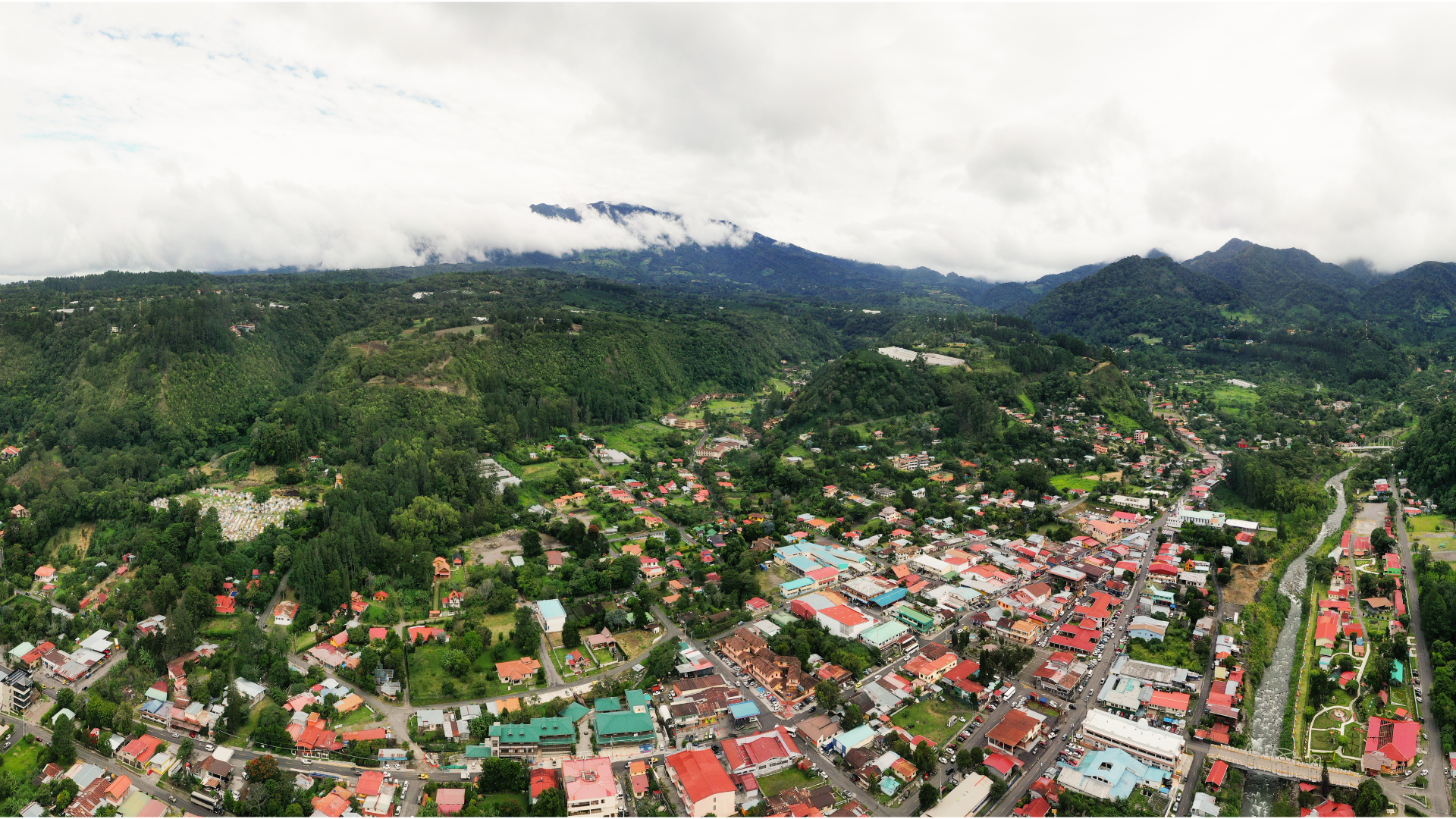
Boquete, Chiriquí
What does daily life look like for retirees in Panama?
Daily routines depend largely on where you live and how you like to spend your time. In Panama City, you might build a week around appointments, restaurants, cultural activities and errands close to home. In a coastal or mountain community, you may spend more time outdoors, drive more often, or plan trips to larger towns for certain services.
The climate is part of everyday planning. Heat, humidity and seasonal rain can affect what time you walk, how much you use air-conditioning, and how you get around. When comparing homes, look beyond the view: consider shade, ventilation, stairs, sidewalks, access to shops and the routes you would use regularly.
Language can shape daily interactions, too. You can find English-speaking residents and services in some communities, but Spanish is widely used in day-to-day life and in official processes. Learning practical phrases can help you manage errands and connect with neighbors. For legal, medical or administrative matters, consider asking a qualified bilingual professional for support when needed.

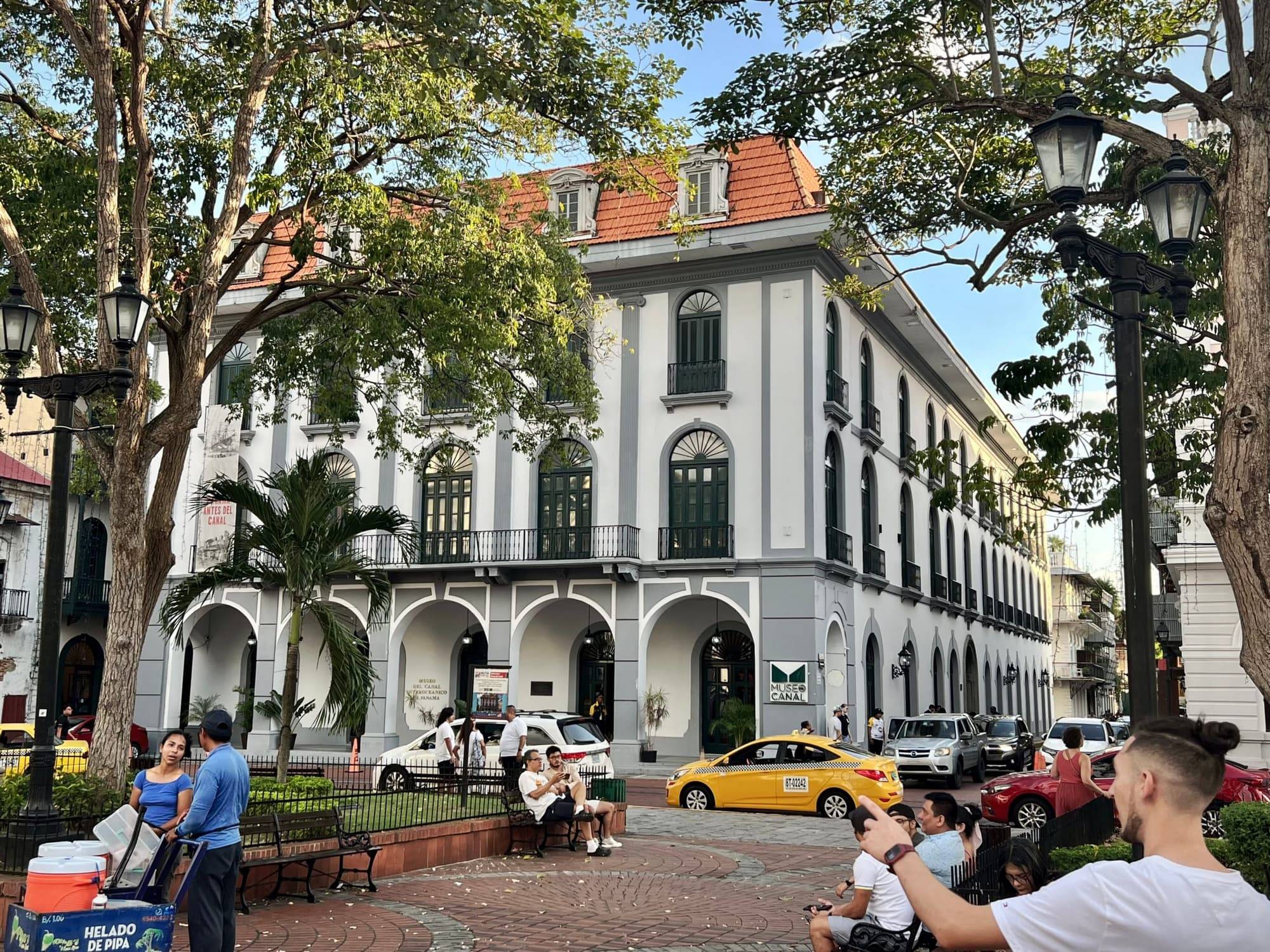
Casco Viejo, Panama City
Where do retirees settle: city, beach or mountain?
There is no single best place to retire in Panama. Panama City, Coronado and Boquete are established examples, but the right fit depends on your preferred pace, climate, health needs, transport and access to family or travel connections.
| Setting | What everyday life may offer | Practical questions to consider |
|---|---|---|
| Panama City | A broad range of urban neighborhoods, services, dining and activities. It may suit you if you prefer city convenience and want access to the country’s largest concentration of healthcare options. | Does the neighborhood match your preferred pace? How will traffic, noise and building access affect your routine? |
| Coronado | A beach-oriented setting with a slower rhythm than the capital. The beach and surrounding communities may appeal if you want coastal living. | How will you handle heat, transport and errands? What services are nearby, and when might you need to travel for appointments? |
| Boquete | A green highland environment and cooler climate than lowland coastal areas. It may appeal if you enjoy outdoor activities and a mountain-town setting. | How far are the services you use? What transport would you need, and how would you manage trips to larger medical centers? |
Visit potential neighborhoods at different times of day. A place that feels quiet on a weekday morning may feel quite different on a weekend or during the rainy season. For more on the questions to weigh, explore our guide to living in Panama.

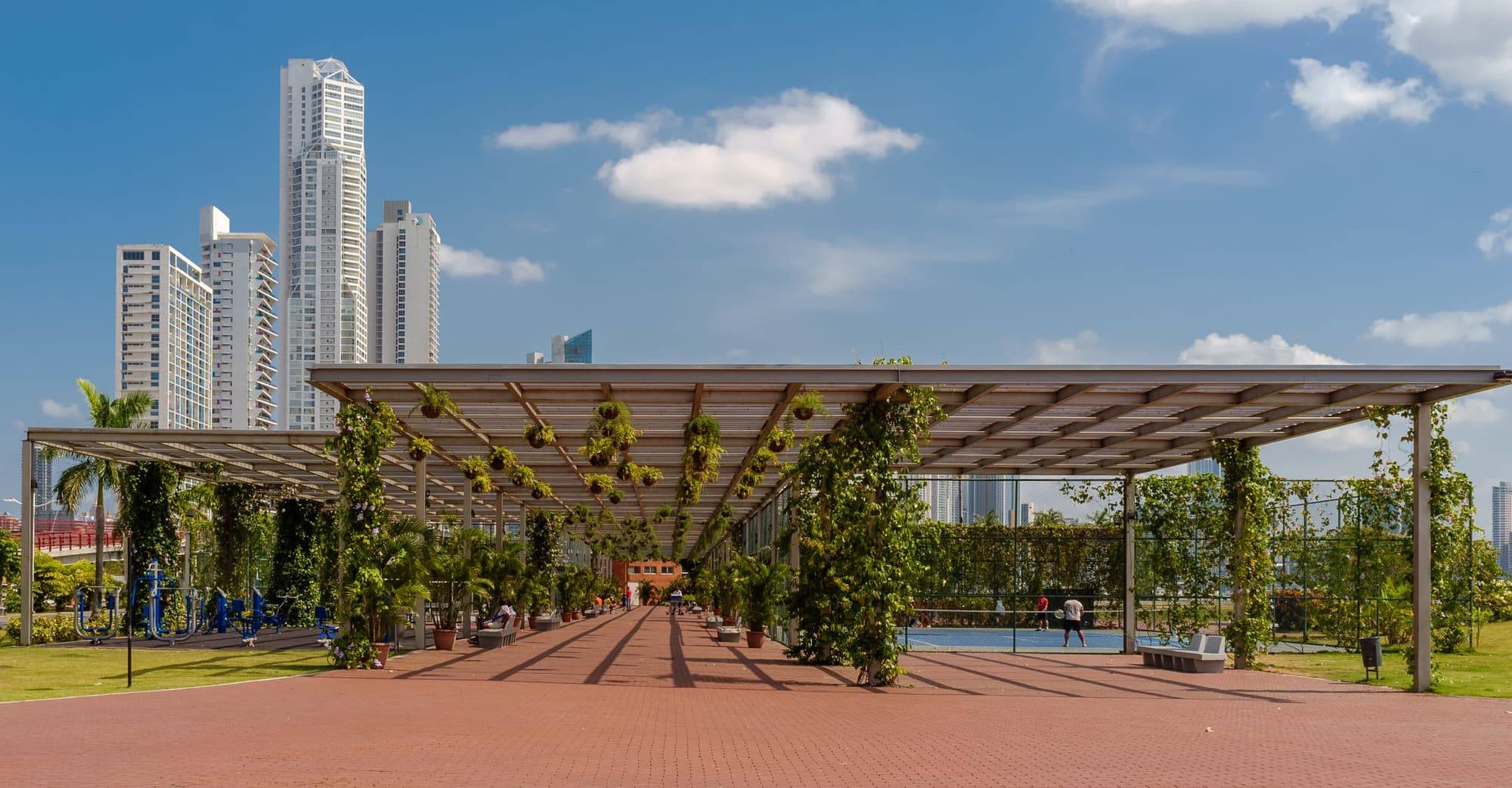
Caldera River, Boquete
What does retirement cost in Panama?
Published lifestyle estimates offer a starting point, not a promise of what your own budget will be. Reside Panama’s 2025 guide estimates $2,200 to $3,000 a month for a couple in Coronado or Boquete, and $3,500 to $4,800 for a city-oriented lifestyle in Panama City. These are published estimates, not quotes, and your spending will depend on housing, healthcare, transport, air-conditioning, travel and personal choices.
Use the figures to frame questions, then build a budget around the home and routine you actually want. Private insurance, unexpected medical needs, flights to visit family and one-time moving expenses deserve separate consideration. For a more detailed breakdown of household expenses, see our practical guide to the cost of living in Panama.
What is the Pensionado program?
Panama has a Pensionado program under Panamanian law for qualifying retirees. The program’s eligibility requirements and application documents should be confirmed with a qualified immigration professional and the National Immigration Service of Panama.
Discount benefits for eligible retirees are set by law, but you should verify current rules and confirm directly with each provider whether a particular benefit applies. Do not assume that residency, property ownership, pension eligibility and tax treatment are interchangeable. They are separate questions that may require advice from different professionals.
What should North Americans know about healthcare?
Panama City has modern healthcare options, including private hospitals and specialist services. Access and available services can vary by location, so compare the facilities near a prospective home with the care you expect to need. If you are considering a beach or mountain community, ask how you would reach the appropriate clinic or hospital and what you would do in an urgent situation.
Plan insurance before you move, rather than assuming coverage from home will follow you. Medicare generally does not cover healthcare outside the United States, with limited exceptions. Review the official Medicare guidance on travel outside the U.S. and confirm any overseas coverage directly with your plan.
For Canadians, provincial and territorial coverage rules vary. Ask your province or territory how an extended absence could affect your coverage, and consider what private medical or travel insurance you may need. In either case, compare premiums, exclusions, deductibles, provider networks and coverage for care outside Panama. Your individual health history and plans matter.
How can you test a location before committing?
A visit can help you compare the feel of a neighborhood with the practical details of living there. Walk or drive the routes you would use for groceries, appointments, exercise and social activities. Try the local transport options, check phone and internet service where relevant, and pay attention to noise, weather and accessibility.
A trial stay can help you see how a place fits your routine beyond a short visit. If possible, consider how a different season may change your experience. Renting before buying may also give you time to assess the community and the home’s maintenance needs.
A discovery visit can bring your research into the real world. Panama Investor Hub connects relocation and property exploration with discovery visits coordinated through ITA Global. The route, services, availability and pricing depend on the agreed proposal. If you are still defining what matters to you, you can discuss your relocation plans.

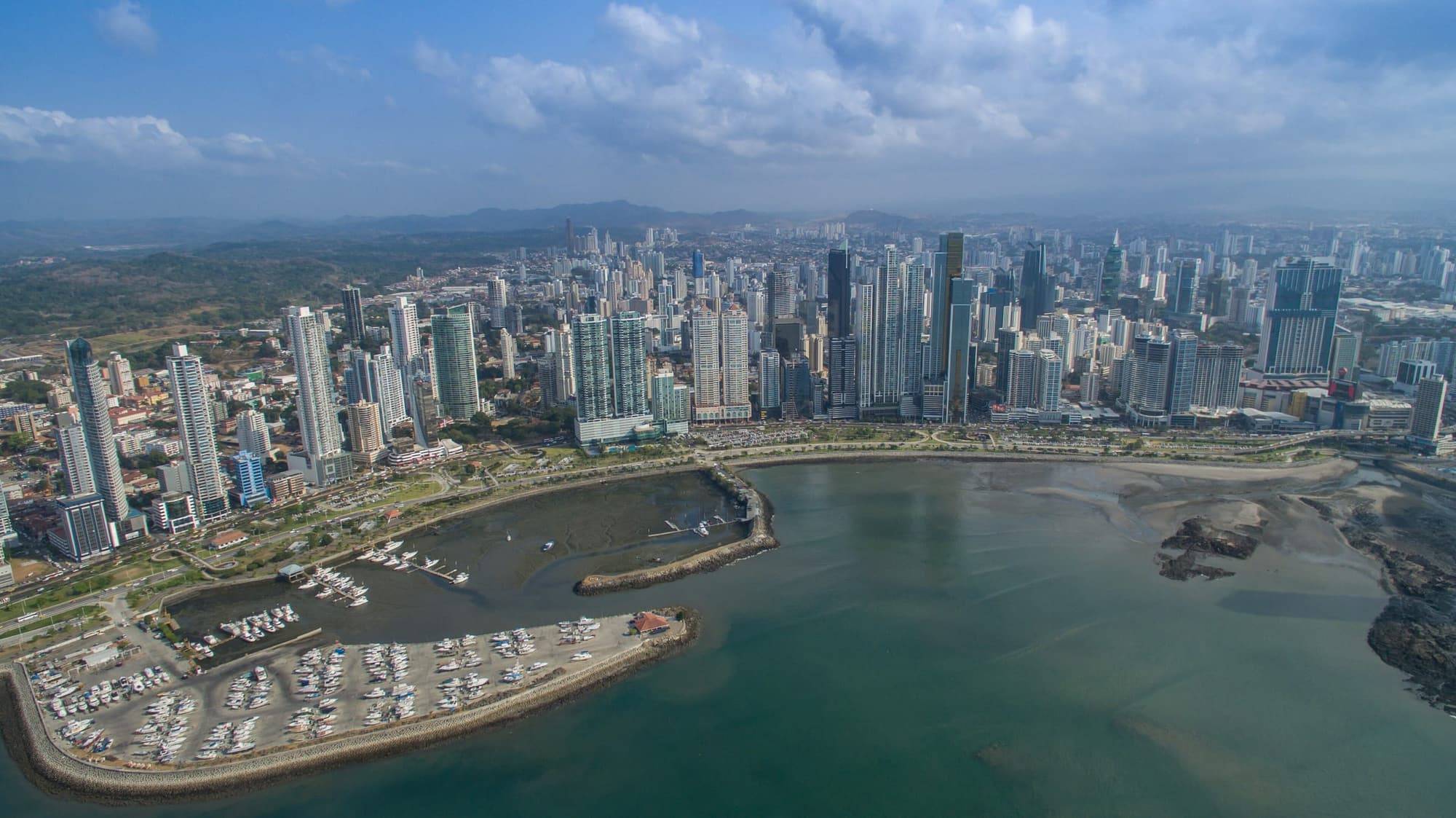
Coronado, Panama
What should your first-year retirement planning checklist include?
- Set a realistic monthly and annual budget. Include housing, healthcare, transport, travel, professional fees and unexpected expenses.
- Compare locations in person. Explore the neighborhoods and nearby services you would use in an ordinary week.
- Review health coverage. Get answers from Medicare, your provincial or territorial plan, and any prospective private insurer.
- Confirm immigration requirements. Ask a qualified immigration professional about your circumstances and check current official guidance.
- Consider tax and financial planning. Discuss your situation with qualified professionals familiar with the relevant jurisdictions.
- Test transport and accessibility. Check how you would get to daily errands, appointments and social activities.
- Make a transition plan. Think through housing, documents, medication, banking, family visits and what you would do if your plans change.
Frequently asked questions about Panama for retirees
Is Panama good for retirees on a budget?
It may suit some budgets, but the answer depends on your housing, location, healthcare coverage and lifestyle. Compare your expected expenses with your retirement income, and treat published estimates as planning references rather than guarantees.
Do retirees need a car in Panama?
Not always. Some Panama City residents may be able to manage without a car, depending on their neighborhood and routine. In beach and mountain communities, consider how you would reach shops, appointments and activities before choosing where to live.
Can I retire in Panama without speaking Spanish?
Some retirees manage with limited Spanish, especially where English is commonly used in their community. Still, Spanish can make daily tasks and connections with local residents easier. For important legal, medical or administrative conversations, arrange qualified language support if needed.
How long can I stay in Panama each year as a visitor?
The allowed stay depends on current entry rules and your circumstances. Many U.S. and Canadian visitors may be permitted to stay for up to 180 days, but confirm current requirements with the National Immigration Service before travel and check the period granted on arrival. A visitor stay is not the same as residency.
Sources and current information: The cost ranges above are from Reside Panama’s 2025 guide. For immigration requirements, check the National Immigration Service of Panama and consult a qualified immigration professional. U.S. readers can review Medicare’s guidance on travel outside the U.S.. Canadian readers should confirm coverage rules with their provincial or territorial health plan.
This article provides general information and does not replace independent legal, tax, immigration or investment advice.
Plan your discovery visit
Compare Panama’s city, beach and mountain lifestyles in person. Plan your discovery visit.
Sources
- The Real Cost of Living in Panama (2025 Edition), Reside Panama, 2025
- National Immigration Service of Panama (Servicio Nacional de Migración), Government of Panama, Accessed November 2026
- Travel outside the U.S., Medicare (U.S. Centers for Medicare & Medicaid Services), Accessed November 2026
We distinguish educational guides, sourced news summaries and promotional property features. Publication and update dates appear on each article. Time-sensitive information should be checked against current primary sources.