Moving to Panama: A Step-by-Step Guide for Newcomers
Moving to Panama? Follow a practical sequence for residency, healthcare, first-year budgeting, shipping and settling in, with official sources and next steps.
Moving to Panama involves choosing where to live, confirming residency with a qualified immigration professional, planning healthcare coverage and budgeting for your first year. A clear sequence can help you organize paperwork and logistics before they become time-sensitive.

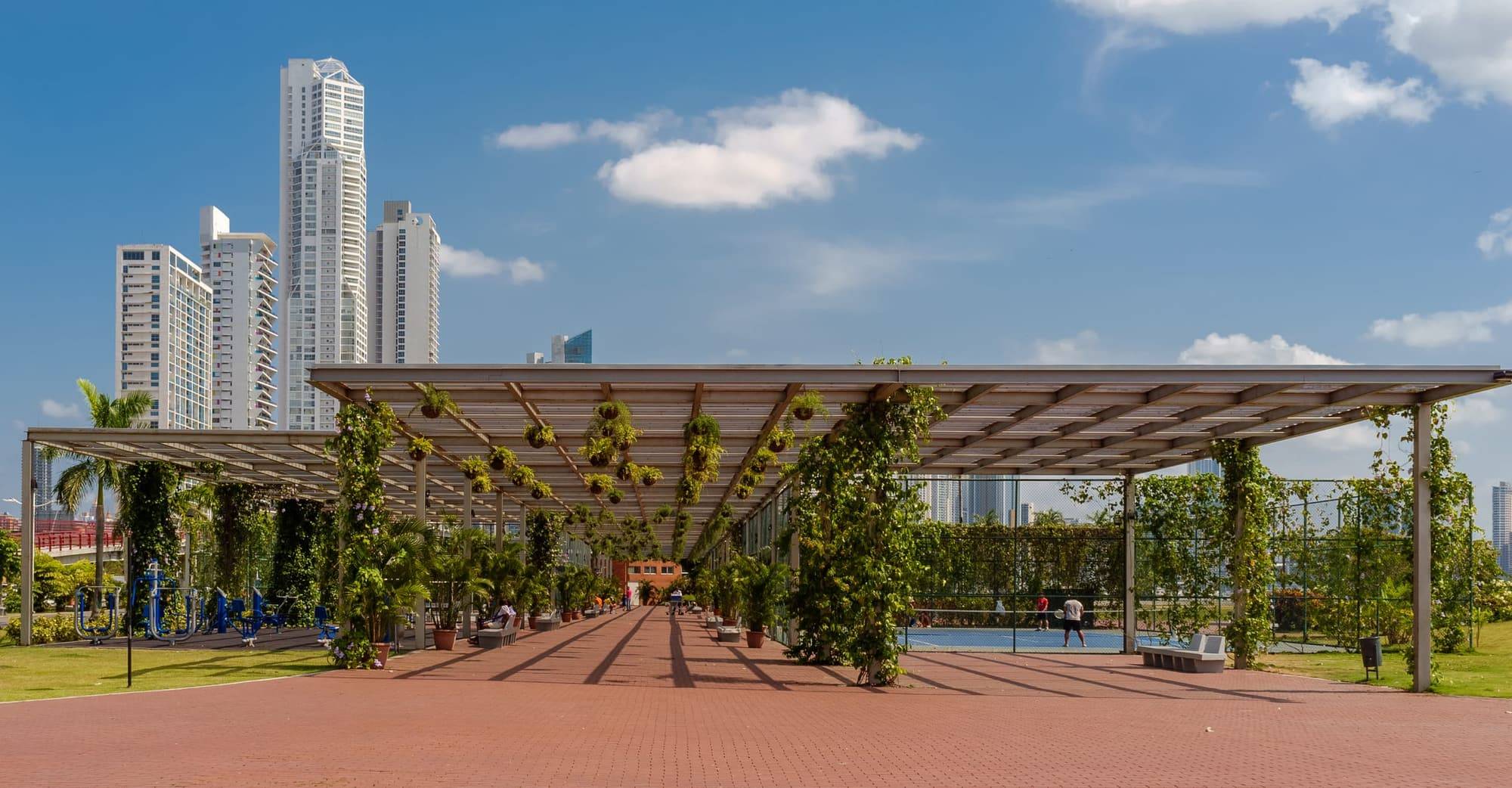
Panama City, Panama.
What are the first steps to move to Panama?
Start by separating the move into practical workstreams. You do not need to solve every detail at once, but it helps to understand which decisions depend on others.
- Set a realistic timeline and moving budget. Include travel, temporary accommodation, professional advice, shipping, healthcare and a reserve for unexpected expenses.
- Research places to live. Consider whether you want to begin in a city, beach or mountain community, and what you need close by during an ordinary week.
- Discuss your residency route with a qualified immigration professional. Do this before relying on a particular visa or making plans based on expected eligibility.
- Plan healthcare coverage. Review your current coverage and get advice about options in Panama before ending any policy.
- Decide what to bring. Compare the practicalities of shipping belongings, traveling with pets or importing a vehicle with renting or buying locally.
- Choose a temporary landing place. A short-term stay can give you time to understand an area before making a longer commitment.
For additional context on everyday life, see our guide to living in Panama.
How do you choose where to live?
A move may feel easier to manage if you first choose a practical base for your arrival, rather than trying to decide immediately where you will settle for good. Think about access to the services and routines you will need soon after arriving, such as groceries, transportation, medical care and community activities.
Give yourself time to experience a location outside of a holiday schedule. A neighborhood can feel different during an ordinary weekday, in a different season or when you are managing errands rather than sightseeing.

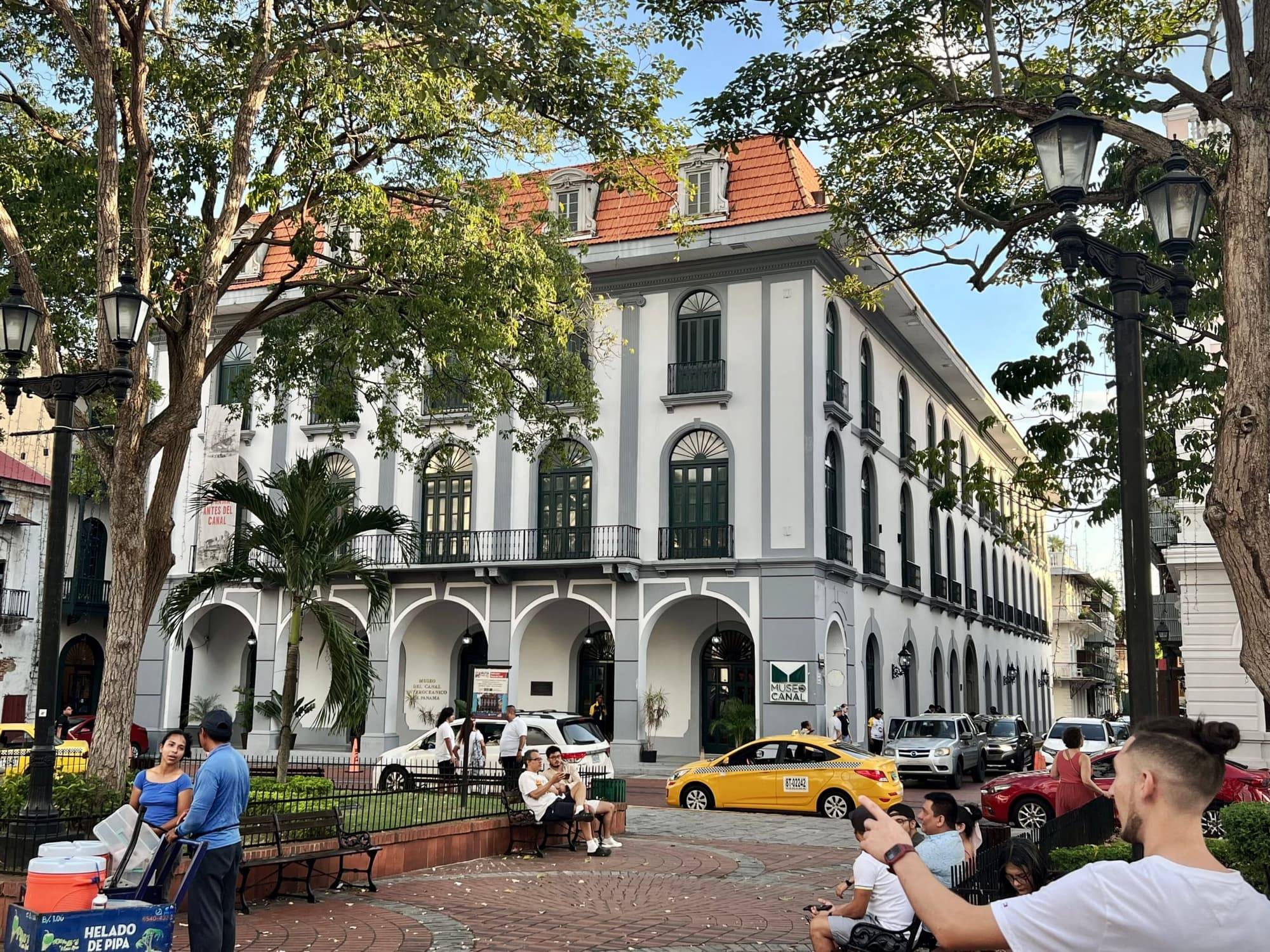
Casco Viejo, Panama City.
What should you know about residency and visas?
Panama has several immigration categories, and the right one depends on your circumstances. Options such as the Pensionado program exist, but requirements and procedures can change. Confirm your eligibility and current requirements with a qualified immigration professional before making decisions based on a particular route.
The National Immigration Service of Panama publishes information about immigration processes and permits. Its permits and requirements section is a useful starting point, but it does not replace advice about how current rules apply to your situation.
Keep in mind that immigration status, permission to work, tax obligations and property ownership are separate matters. Ask qualified professionals about each one. Avoid relying on old checklists or assuming that another person’s application experience will match yours.
How do you plan healthcare coverage?
Before moving, review what healthcare coverage you have now and how it may work while you live abroad. If you are considering private insurance in Panama, ask providers for current details about coverage areas, exclusions, deductibles, waiting periods, pre-existing conditions and access to care outside the country.
It can also help to make a personal continuity plan. Gather relevant medical records and prescriptions, identify providers near your intended home and ask your doctors how to manage ongoing care during the transition. Do not cancel existing coverage until you understand when new coverage begins and what it includes.
If you are eligible for a public or social security system in Panama, confirm the rules and access requirements directly with the relevant institution or a qualified adviser. Coverage and eligibility depend on individual circumstances.
What does the first year cost?
Use published budgets as reference points, not promises. Reside Panama’s 2025 cost guide, as cited in our practical cost-of-living guide for U.S. and Canadian retirees, estimates monthly costs for a couple at $2,200 to $3,000 in Coronado or Boquete and $3,500 to $4,800 for a city-oriented lifestyle in Panama City.
These are published monthly estimates, not guaranteed budgets or quotes. Your costs depend on housing, healthcare, transport, travel, household needs and lifestyle. The estimates do not represent your full first-year moving costs, which may include one-time expenses such as travel, temporary housing, professional services, furnishings and shipping.
| First-year planning area | What to plan for |
|---|---|
| Monthly living costs | Compare published estimates with current housing and service costs for the areas you are considering. |
| Housing and arrival | Set aside funds for temporary accommodation and the transition to longer-term housing. Confirm lease terms and included services before signing. |
| Healthcare | Obtain coverage information and quotes based on your circumstances. Include any transition period between policies. |
| Moving and shipping | Get written estimates for the services you may need, and confirm what is included. |
| Professional advice | Budget for independent immigration, legal and tax guidance where relevant. Ask providers about scope and fees. |
| Reserve | Keep a separate amount for unexpected costs, delays or changes in your plans. |

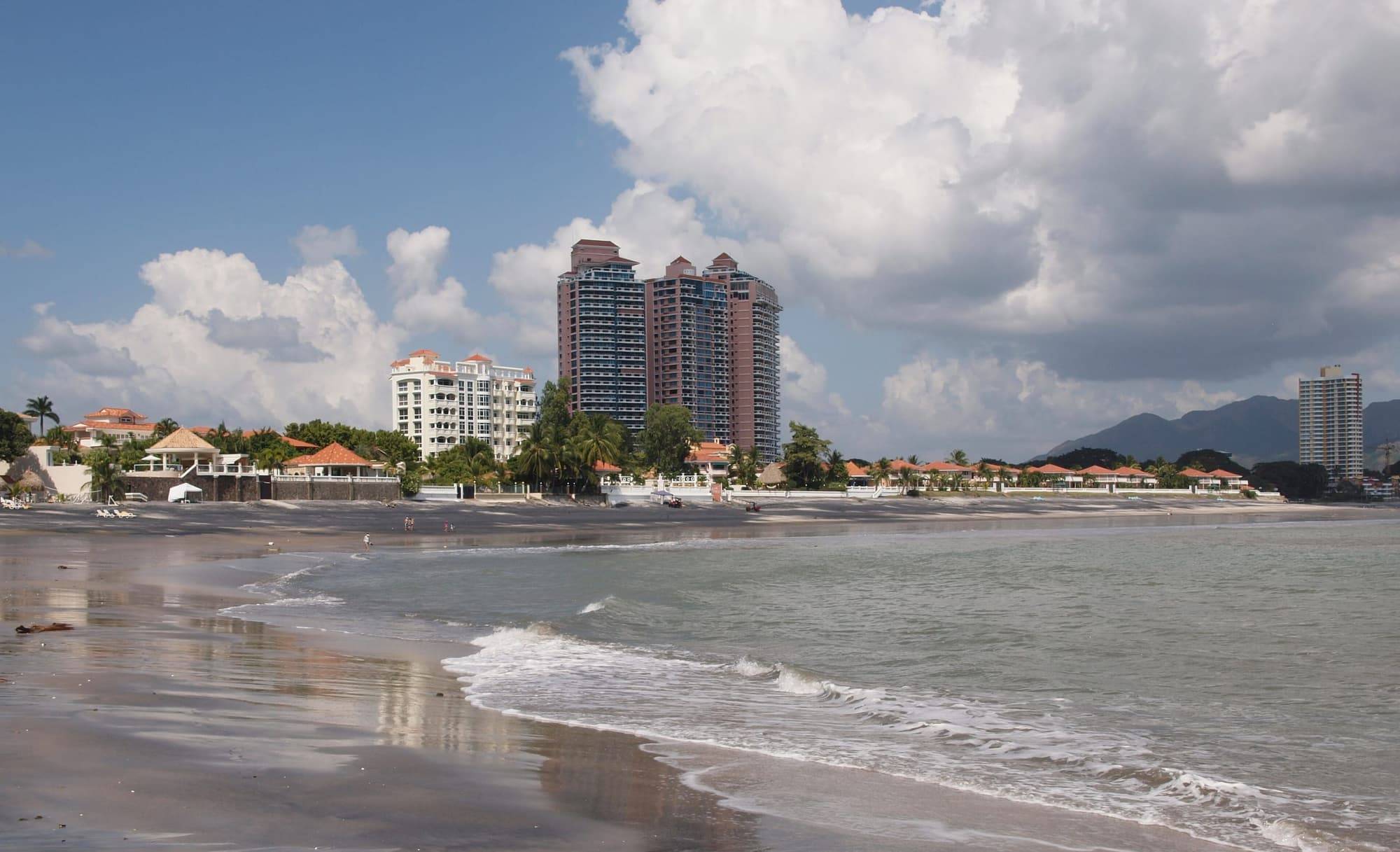
Boquete, Chiriquí.
How do you ship belongings, pets and vehicles?
Start with decisions about what you truly need to bring. Shipping can involve paperwork, transport arrangements, customs procedures and possible import requirements. Before a shipment leaves, ask a qualified mover or customs professional what documents are needed, what restrictions may apply and how the process works for your specific circumstances.
For household belongings, prepare an inventory and keep copies of relevant shipping documents. Confirm current import rules with Panama’s customs authority and your customs professional. Do not assume that the rules or any potential exemptions are the same for every person or type of shipment.
If you plan to bring a pet, check the current animal health and entry requirements with the relevant Panamanian authorities, your veterinarian and your airline. Begin early enough to coordinate any required certificates, vaccinations, travel arrangements or approvals. Requirements may vary by animal and country of origin.
For a vehicle, compare the cost and process of importing it with renting or purchasing one in Panama. Confirm current import, customs, registration and insurance requirements before shipping. The applicable rules can depend on the vehicle and your circumstances, so avoid relying on general estimates or a different person’s experience.
What does a first-90-days checklist look like?
This checklist is a planning aid, not a promise that an application or service will be completed within a particular period.
- Before departure: Speak with a qualified immigration professional about your potential residency route. Confirm current requirements through the National Immigration Service.
- Before departure: Review health coverage, collect relevant medical information and plan how you will access care during the move.
- Before departure: Decide whether to ship belongings, bring a pet or import a vehicle. Confirm current requirements with appropriate professionals and primary sources.
- On arrival: Keep your travel and immigration records organized, and settle into your initial accommodation.
- During the first weeks: Continue any residency process with your professional adviser, and confirm what else you need to arrange based on your status.
- As you settle in: Track actual spending and daily routines. Use what you learn to assess longer-term housing and community choices.

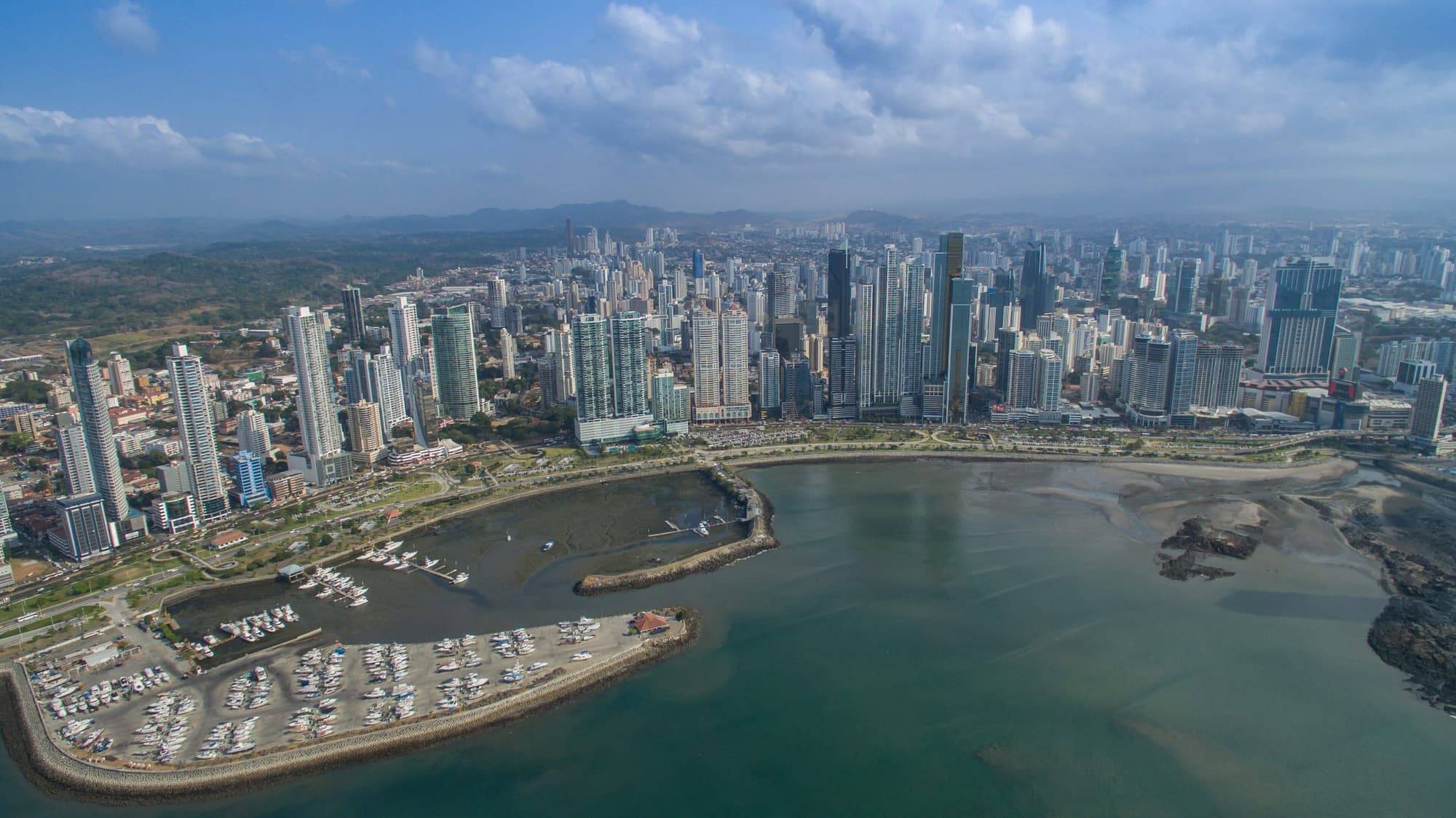
Cinta Costera, Panama City.
What questions should you ask before moving?
Before committing to dates or major expenses, consider asking:
- Which immigration route may fit my circumstances, and what current requirements should I confirm?
- What healthcare coverage will I rely on during the move and after arrival?
- What costs are included in my moving or shipping quotes, and what is not included?
- What should I arrange before departure, and what can wait until I arrive?
- What information do I need from a qualified tax professional about my situation?
- What would I need to experience in person before choosing a longer-term home?
Frequently asked questions about moving to Panama
Can I move to Panama before I have permanent residency?
Your right to enter or remain in Panama depends on your nationality, travel circumstances and immigration status. Confirm current entry and residence requirements with the National Immigration Service and a qualified immigration professional.
Does buying property give me residency?
Property ownership and immigration status are separate matters. Do not assume that purchasing property automatically grants residency. Ask a qualified immigration professional about your circumstances.
Is the Pensionado program available to newcomers?
Panama has a Pensionado program, but eligibility and requirements must be confirmed for your specific situation. Requirements can change, so consult a qualified immigration professional and check current information from the National Immigration Service.
Should I ship everything before I arrive?
Not necessarily. Consider what you need immediately, what can be replaced locally and whether shipping fits your timeline and budget. Get advice about import procedures before arranging a shipment.
How can I test a location before settling there?
Plan time in the places you are considering and explore practical routines, not only attractions. A discovery visit can help you experience locations in person before making a longer-term decision.
Sources and next steps
For current immigration information, start with Panama’s National Immigration Service and confirm applicable requirements with a qualified immigration professional. For cost references, see Reside Panama’s 2025 guide and our cost-of-living article. Costs vary by lifestyle and location, and published estimates are not guarantees.
Discuss your relocation plans with our team through Panama Investor Hub. You can also learn about discovery visits for testing locations in person.
This article provides general information and does not replace independent legal, tax, immigration or investment advice.
Sources
- National Immigration Service of Panama: immigration processes and permits, National Immigration Service of Panama (Servicio Nacional de Migración), 2026
- The Real Cost of Living in Panama, 2025 Edition, Reside Panama, 2025
We distinguish educational guides, sourced news summaries and promotional property features. Publication and update dates appear on each article. Time-sensitive information should be checked against current primary sources.